
New Report on Minimum Parking Requirements Provides Practical Approaches for Municipalities
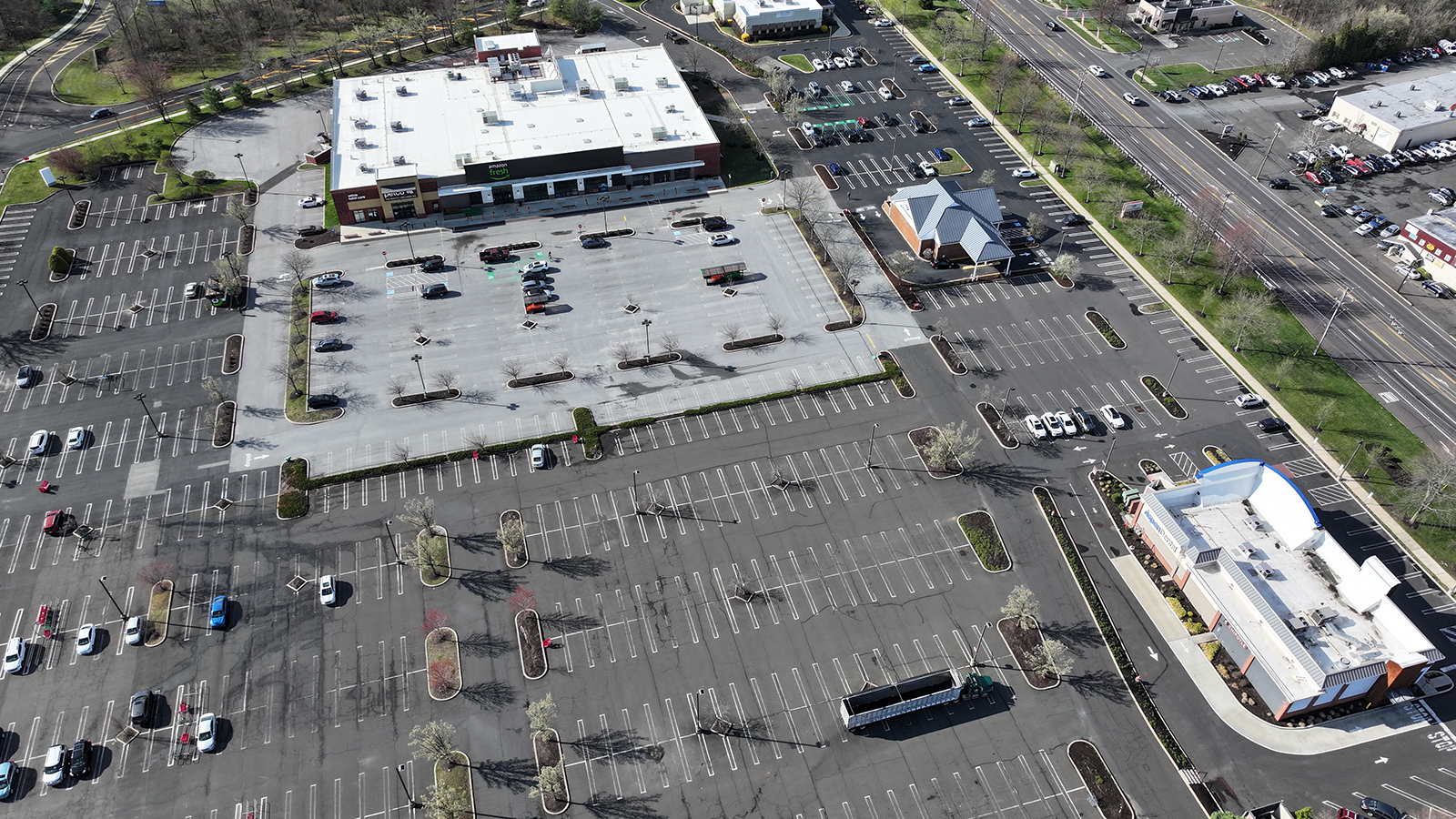
Minimum parking requirements are established by municipalities and dictate the lowest number of off-street parking spaces that a developer must provide when constructing or renovating a building. Parking requirements are intended to ensure that residents, employees, and shoppers have adequate parking without creating spillover parking problems in surrounding neighborhoods.
Traditionally, municipalities have established parking requirements by adopting standards from neighboring communities or professional engineering recommendations. But research has shown that these regulations often require more parking than is needed, increasing development costs, reducing housing affordability, encouraging driving, and consuming land that could be put to more productive use. This is especially true when local governments base their parking ratios on national models that might not reflect the local context in which they are implemented. Further, parking demand has evolved significantly in recent years, with a variety of trends—including ride-hailing services, curbside pickup, and the growth of remote and hybrid work—having altered parking needs across municipalities in the DVRPC region.
DVRPC’s recent report, Rethinking Parking Requirements, explains how most parking requirements work and outlines the economic, environmental, and community impacts of excessive parking. Rethinking Parking Requirements identifies practical strategies that local governments can consider implementing to enable municipal parking requirements to better align with local land use contexts, development density, and the availability of alternative transportation choices. Focusing on suburban environments where excessive parking availability is most common, this report helps municipalities to ensure that their parking policies support broader community planning and development goals.
This brochure is one in a series of Municipal Implementation Tools (MITs) available to local governments and planning partners to assist in implementing the region’s long-range plan, Update: Connections 2050.