
May is Bike Month!
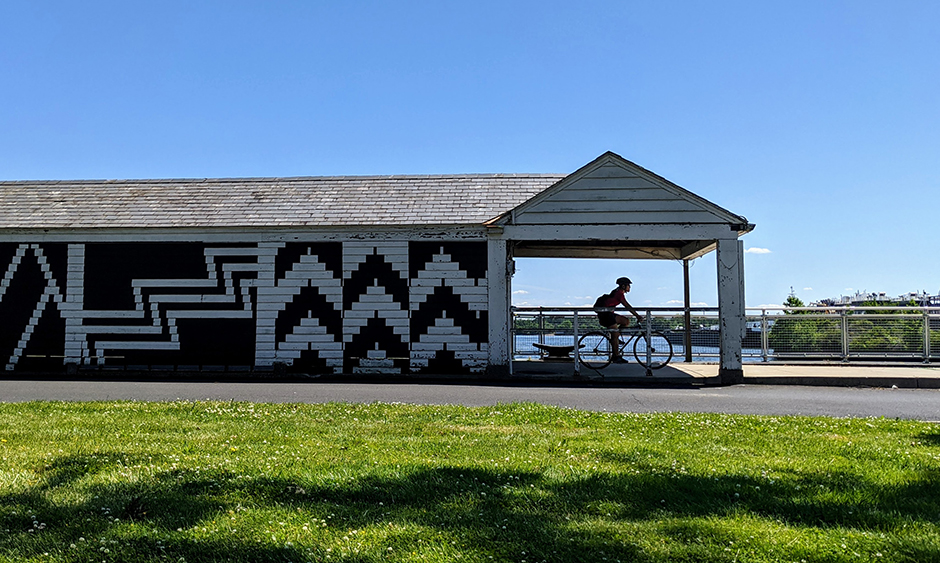
The League of American Bicyclists has deemed May 2025 National Bike Month. Throughout Greater Philadelphia, organizations and advocates will participate in Bike Month; National Ride-A-Bike Day on May 4; Walk, Bike, & Roll to School Day on May 7; Bike-to-Work Week on May 12-18; and Bike-to-Work Day during the week of May 12-16. To find an event near you, view the DVRPC partner calendar.
In honor of Bike Month, DVRPC celebrates the region’s bike commuters. For those wanting to try bike commuting, DVRPC suggests taking a trip by bike that you would normally take by car. If you are unsure of a comfortable bike route, just ask Ruti, a text-message and web-based bike trip planning tool.
At DVRPC, we’re helping make biking simpler and safer. We support local bicycle planning efforts by collecting data, planning projects, and sharing best practices. We also collaborate with our county and municipal partners to move planned projects to implementation and construction. Below are some of the ways we support bicycling planning and infrastructure.
Regional Bicycle Planning Tools
DVRPC LINK: This web-based tool is designed to assist planners, advocates, and decision-makers in understanding the potential connectivity benefits of building or improving bicycle and pedestrian infrastructure in the Greater Philadelphia region.
Permanent & Cyclical Bike Count Program: DVRPC’s bicycle counting program allows planners to measure existing levels of bicycling, monitor travel trends, plan for new or improved facilities, and measure outcomes of bicycle-related projects.
Regional High Injury Network: As part of our Regional Vision Zero work, DVRPC is in the process of developing a Regional High Injury Network to identify on which roads in the region the majority of traffic crashes that result in a fatality or serious injury take place.
AccessScore: This analysis assesses the infrastructure and demographic characteristics around transit stations in relation to how supportive each area is of biking and walking. It can help communities identify and prioritize improvements designed to strengthen pedestrian, cycling, and transit connectivity.
Site-Specific Bicycle Planning Concepts
Burlington County Downtown Access Bicycle and Pedestrian Plan: This plan identifies recommendations to improve bicycle and pedestrian connectivity, access, and safety in three Burlington County, New Jersey, municipalities: Maple Shade, Mansfield, and Evesham.
Community Engagement Strategies for Our Streets: A Trenton Bike Plan for All: This memo details the public engagement process for gathering community input during the development of the city-wide Trenton bike plan. The full plan, titled Our Streets: A Trenton Bike Plan for All, will be available soon.
Trenton Trails Plan: This plan inventories existing trails in the City of Trenton as well as those in active development and develops a list of conceptual trails or connectors for further study in order to develop a consistent, unified network of trails and appropriate neighborhood connections throughout Trenton.
Downtown Trenton Bicycle and Pedestrian Plan: This study proposes different bicycle, pedestrian, intersection, and trail interventions within downtown Trenton, New Jersey. The plan also offers potential funding streams and examples of estimated construction costs.
Technical Support for Partner Implementation
Complete Streets Resurfacing Program: DVRPC works with PennDOT Connects to identify roads for potential investment to increase safety for all road users as part of regularly scheduled PennDOT resurfacing projects.
Transportation Alternatives (TA) Set-Aside and PennDOT Multimodal Fund: DVRPC provides application review and project sponsor consultation for the TA Set-Aside Programs in New Jersey and Pennsylvania and the PennDOT Multimodal Fund, programs that provide funding for non-traditional and multimodal transportation projects in the region. DVRPC also offers a technical assistance program for communities in Southeastern PA who are considering a TASA application to help them develop well-scoped and competitive projects.
Expo: Experimental Pop-ups: DVRPC offers assistance to communities to test innovative solutions to transportation problems through demonstration or pop-up projects. This includes design, implementation, and measurement of projects that apply various pedestrian, bicycle, transit, and roadway strategies that address safety and placemaking.
Design Guidance for Various Bicycle Facility Types
Planning for New Jersey Transit Bus Service Alongside Bicycle Facilities: To help NJ Transit improve the safety of bus operators, passengers, bicyclists, and pedestrians, DVRPC staff conducted a literature review, interviewed peer transit agencies, and organized a bus stop design workshop, which resulted in conceptual designs expected to reduce bus-bicycle interactions.
Guidance for Pedestrian and Bicycle Facilities at Expressway Interchanges in Southeastern Pennsylvania: This study uses best practices from around the United States to develop guidance for designing safe pedestrian and bicycle facilities along arterials at expressway interchanges and provides example designs for Bucks, Chester, Delaware, and Montgomery counties, and the City of Philadelphia.
Identifying Neighborhood Greenway Possibilities in Philadelphia: Neighborhood greenways are low-volume, low-stress streets that prioritize bicycle and pedestrian travel over vehicles. This study used best practices from the National Association of City Transportation Officials, Portland State University, and Portland Bureau of Transportation to develop a two-part geographic information system methodology that identified suitable streets to build neighborhood greenways in each of Philadelphia’s 10 city council districts.